Pink Shirt Day Is a Nice Start – But Bullying in BC Schools Needs Daily Action by Rachel Thexton-Principal, Thexton PR/Host, Rachel Thexton Connects
Bullying sounds like a terrible and unkind behaviour amongst children and youth, but for our family, it was a devastating and consistent reality that crushed everyone in our home, particularly my son, who is now eight years old.
For me, February’s Pink Shirt Day is a day filled with good intention, recognizing and discussing bullying and the hurt it causes others. Still, I am not keen to send my three children to school in pink when this day comes around in February.
I am supportive of the funds that the day raises annually for anti-bullying programs across western Canada. I wonder why this programming did not reach my son when he was repeatedly physically and emotionally bullied and isolated by his young peers from Kindergarten to Grade 2 in BC’s public schools.
When my son was four, he was a giddy, outgoing, happy, and loving boy who had a wonderful preschool experience and made everyone around him smile with his wild curls and constant smile.
As most moms are, I was slightly anxious sending him to elementary school, never wanting him hurt by others, or exposed to anything that would cause him pain. I know we cannot protect our children from everything.
I never expected how bad the bullying would be, how cruel children are behaving, and how it would change my little guy’s heart and demeanor drastically.

My son’s ADHD diagnosis at age 5 and half explained why he could not read certain social cues, spoke loudly, and lacked focus in class. It did not explain why we would need to pull him from school for his emotional safety in two Greater Vancouver school districts due to physical and emotional bullying that hurt his heart so badly that discussing it made him physically ill.
As a mom, I was angry, heartbroken, and frustrated. I repeatedly pushed the Burnaby school district for change to the recess supervision structure, serious repercussions for those bullying, and I recommended having a high-profile personality the kids would respect speak about the topic to students. My suggestions met pushback and a lack of action.
My efforts to address bullying at my son’s Kindergarten and first grade school included setting multiple meetings with teachers, the principal, and eventually with a representative from the local school district team. Access to parent contact information was not provided, and I understand the need for privacy. That said, whenever there is an incident of bullying, I believe the parents of the child bullying should be required to meet with parents or caregivers of the child being bullied, along with school leaders, in a safe environment where parents can truly see the affect their child’s behaviours have had on another child. I would certainly want to connect with the parents of a child who has been bullied by my son or daughter- not only to express my apologies- but to understand how their child has been affected. This directly supports my ability to help my child to develop authentic empathy and to see the consequences of their actions.
In 2023, we moved to Surrey, where the school was fantastic and handled bullying with a zero-tolerance approach. Sadly, the children brought violence and unkind words to school far too often. There is only so much a school can do as this must be a shared responsibility involving everyone caring for the child, inside and outside of the school.
Sadly, bullying is not going to decrease with one annual day where we wear pink and spread kindness.
Bullying is assault from one child to another and must be managed by adults with the seriousness it merits vs. talking about it without action and with a lack of repercussions and preventative care. Currently, we are allowing it to continue day after day, and year after year.
My boy is not the only one who has had their world shaken by bullying, and that I know for sure.
As adults reading the news, and walking the streets of Greater Vancouver, we see the mental health and substance use crisis around us. We see the pain. One in five Canadians experiences a mental health concern each year, while the toxic drug crisis has claimed more than 16,000 lives in B.C. since 2016.
In response, health, government, and social service organizations discuss the crisis endlessly, putting various plans in place to care for and support those who need it. Its not working well enough.
Oddly, we rarely look at our younger generation, taking the wise counsel of BC medical experts who specialize in child behaviours, including Dr. Gabor Mate and Dr. Vanessa Lapointe, regarding how much of our adult mental health and substance use challenges grow from childhood experiences and traumas that we carry well into our later years.
Bullying is not a child being pushed into a locker by the one school bully and going on with one’s day with discouragement. Bullying is more often a serious trauma, leaving a child scarred and in need of years of healing, if they are fortunate to get care before they become adults.
Surrey-based community nonprofit organization Options Community Services Child Care Resource & Referral Program Manager, Michelle Davies stresses the importance of building empathy in children from an early age, and the value of how we model empathetic behaviour and normalize discussing and expressing emotion.
Michelle also sees value in restorative conversations, so children understand the impact of their behaviour. This includes digital empathy, and how words effect people even when we are not face-to -face, and what it looks like to stand up for someone when bullying takes place online.

As parents, we must take responsibility for our child’s behaviour, both with children exhibiting cruel behaviour towards others, and caring for those who have been hurt by bullying.
I never received a call or communication from a parent whose child hurt mine at school or at a childcare facility. This lacks basic accountability. I have repeatedly seen children who hurt other children hurting themselves. Schools are not the only failing party. Parents are failing. It is not about blame. It is about recognizing the need to care for a child’s mental and emotional health and seeking help to do so.
I am hearing racial and prejudiced slurs more than when I was in school, showing the regression we have experienced in setting a standard of values and instilling them in the hearts of our children.
My son is slowly starting to heal in a school environment filled with love, and in a home where we are consistently trying to learn how to be better as parents.
But it takes a village to raise a child, and we must come together with a zero-tolerance model for hurting children-bullying. We must strive to make Pink Shirt Day something we no longer need…because we are conquering this harm head on, every single day.
At my son’s current school, Valentines Day and Pink Shirt Day are not a focus. The month of February is instead allocated to showing love and kindness in diverse ways, and this continues throughout the year, even without the official designation of kindness month.
I sometimes see the sincere smile and calm demeaner of my son return in moments, and I have hope. I pray that other families do not have to spend years in pain and healing, and that spreading kindness and not harming a peer will not require an awareness day. It will simply be how we have wired our family units and education systems to care for and guide our children.
I am not sending my children to school in pink this week. I am sharing my story, and will continue to advocate for mental health, improvements to supporting neurodiverse children, and other causes related to the heart. Because when Pink Shirt Day ends this year, every heart remains, and they require our daily care based on action and rooted in love.
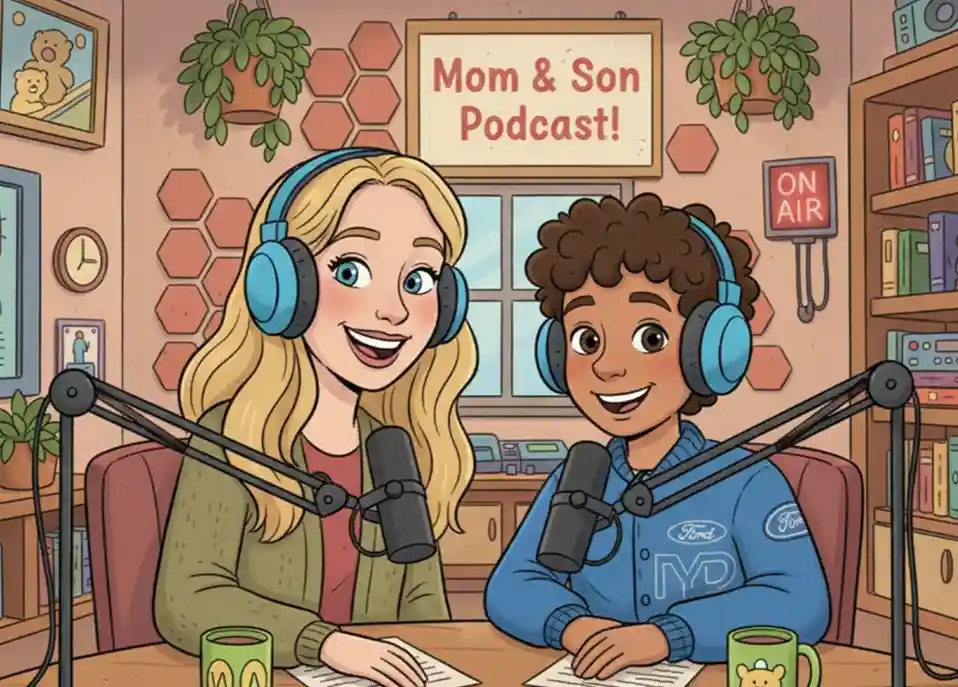
*My son shared a bit about his thoughts on my podcast- he was not using a microphone so we will plan an episode soon with proper audio!*
![]() | About Rachel Thexton As Principal of Thexton PR, Rachel Thexton has over two decades of PR experience building effective communications campaigns that help clients to show and tell their stories, while leading dialogues in a cluttered media and digitally focused landscape. Using personalized outreach, and leveraging decades of relationship-building, Rachel helps clients to reach diverse stakeholders and communities with authenticity. Rachel also hosts top BC podcast, Rachel Thexton Connects (RTC). RTC, now in season six, shares the stories of those from all walks of life, with a focus on media, bloggers and digital content creators, Canadian leaders, and guests from all walks of life. The goal of RTC is learning, connecting, and amplifying under-represented voices, while discussing issues affecting Canadians. |
Other article by Rachel on Vancity Kids includes: All-Inclusive Family Travel to Mexico
More Parenting Articles on Vancity Kids: Parenthood